Showing posts with label art history. Show all posts

Friday, March 12, 2010

Cramming for a test.

So I don't have time to blog right now, since finals week is a horrendous drain and a stressful time suck.  I am itching to blog though, and thought I'd bore ya' all by studying on here.  What follows is my art history study methodology.  Enjoy learning how I learn.

Drilling myself on the all important art history monument list, which I will likely forget within a week:
First I pull up the image, then I rack my brain for all of the pertinent info that I have to spit out about that image tomorrow morning.   Then I check my work and see if I remembered anything with accuracy.  Finally I try to figure out a way to remember the evasive date or info.  Here goes.
1) David, by Michaelangelo, High Renessaince in Italy Period, 1504 Yes!

2)Venus of Urbino, by Titian, 16th Century in Italy, 1538Yes!

3)The Entombment of Christ, Caravaggio, Baroque Period in Italy, 1613?close, but not quite- 1603  How will I remember this one?  Hmmm.  Yes I know.  The holy trinity is 3. 1600 + the trinity!

4)Rembrandt's Self Portrait, Baroque Period in Holland, 1649Nope- 1658.  Another memory tool.  UMMM thousands place, then number pattern:654, except the last digit is doubled like the portrait is a double of himself...1 then 658


5) Embarkation From the Island of Cythera, Watteau, Rococco period, 1717Yes!


6)The Rakes Progress Series, The Heir, Hogarth, 18th Century Middle Class Life, 1732-33Yes!

7)The Oath of the Horatii, David, Noeclassical Period, 1795- darn it!1784  What is the trick on this one?  subtract one from each of the last two digits that I thought it was?  too confusing.  I may not remember what I thought it was.  I know.  The usual one for the thousands place, then 7 (God's number...creation) 8 (consecutive), then cut the 8 in half like a sword slice for the 4.This is a long shot...we'll see.

8)The Third of May 1808, Goya, Romanticism, 1814Yes!

9)The Stone Breakers, Corbet, Realism, 1856?-Argh 1849  Halfway through the 19th century, then minus one because the poor are always getting the short end of the stick (this painting is supposed to be illustrating the perils of the poor laborers of the Realistic period).

10) 
Luncheon of the Boating Party, Renoir, Impressionism, 1881Yes!

Okay... lets go back and see how I did.  I'll go back and mark my mistakes in red.(which you already saw on the way down to this line.  :)j

Sunday, January 24, 2010

Angels Locking Demons Into the Mouth of Hell


I am taking Art History 202 in college right now.  The lecture that I am currently studying is about the art and culture of Medieval Europe.  These times in Western History are both fascinating and appalling to me.  I am very drawn to the mysticism, the fantasy, the elaborate detail and decor, and the deeply spiritual nature of the art work.  I am disturbed by the rampant growth of the medieval Christian religion (mainly Roman Catholic during these times), which ever since it was legalized by the Roman Emperor, Constantine, in 313 AD it grew and spread like mold in the damp dark.  People were required to claim membership of the church.  It was not a choice,  and pretty soon it was the seventh century, and Roman, English and Irish monks and missionaries who were bound and determined to spread and take over the earth, were attempting to wipe out all paganism, with moderate success.  I know, being pagan myself, that they didn't eradicate it completely, but they sure sent it underground, stomping on it and smothering it with their bigger, grander seeming faith and religion.  They had a core belief that humanity is corrupt and feeble willed.  They thought that goodness only came by the grace of god through extensive prayer and hard work.  I can't help but think that this thinking, (which I recognize to be a good bit different now, with modern Christianity, as it started to become more humanized towards the Renaissance) was possibly one of the reasons that evil people do exist in such great numbers.  People live up to our truest expectations of them.  If we tell children that they are bad and in danger of being damned, without begging for salvation and living in the fear of God, then the children will live either live in fear and do good things for the wrong reasons, or they will just know that they are truly corrupt, and be that way to the extreme.  Why bother striving for a goodness that will never manifest naturally, that you must beg God for, but are incapable of by your own resolve?  It sounds like a pretty discouraging quest, to me.  If the fear of hell and demons takes a pretty good hold on you, that might make you good, though.  I would guess, also, that if one is of a very materialistic or achieving nature, they might be tantalized by promises of heaven's golden gates and an eternity of dreamy happiness that could be earned through God.

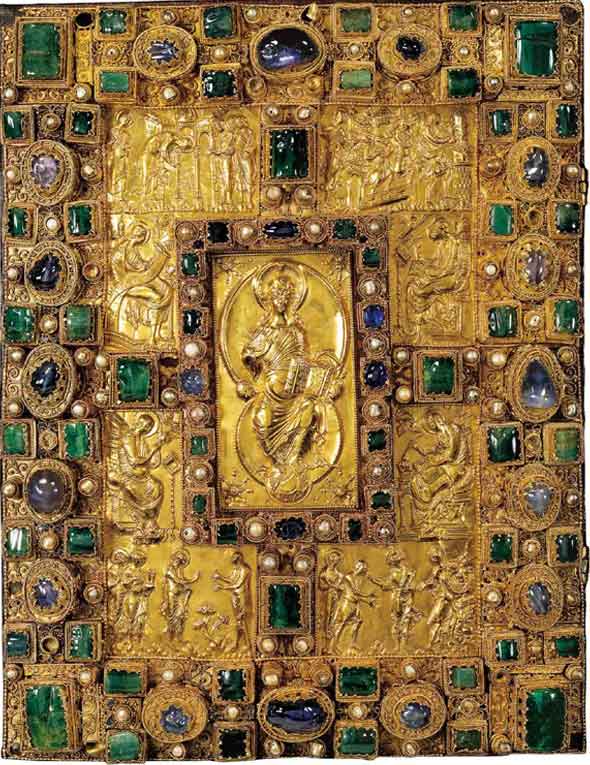
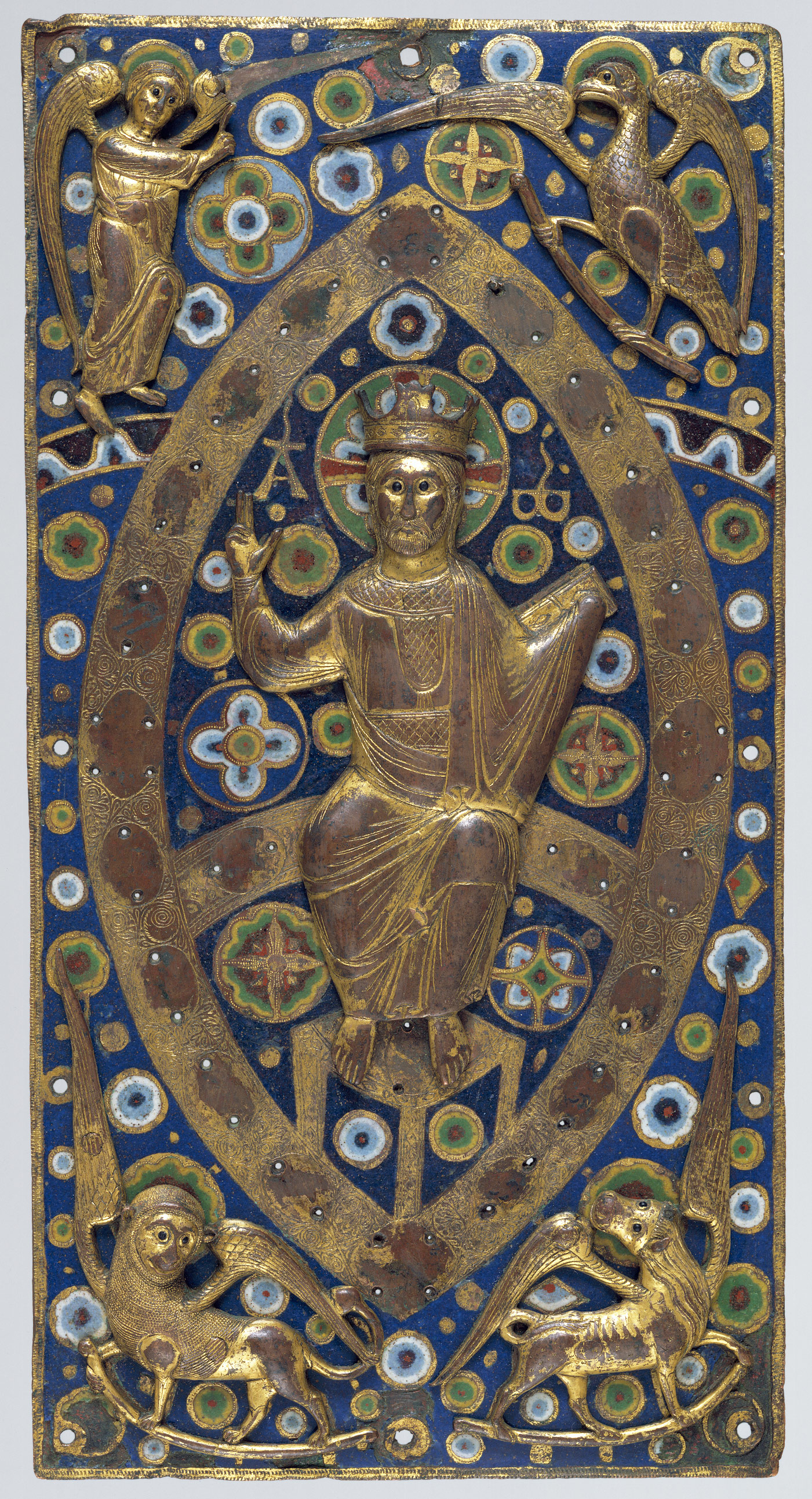
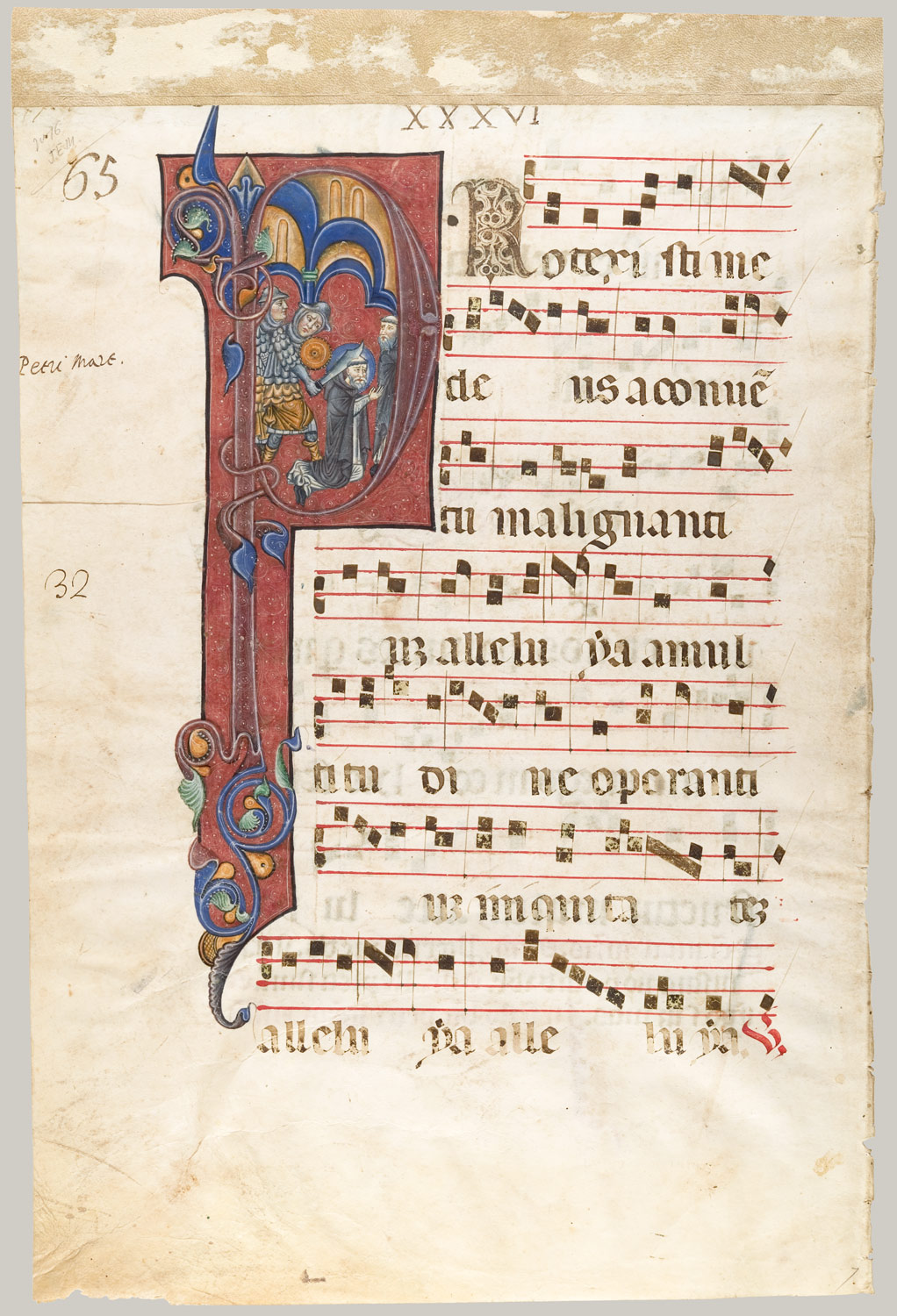
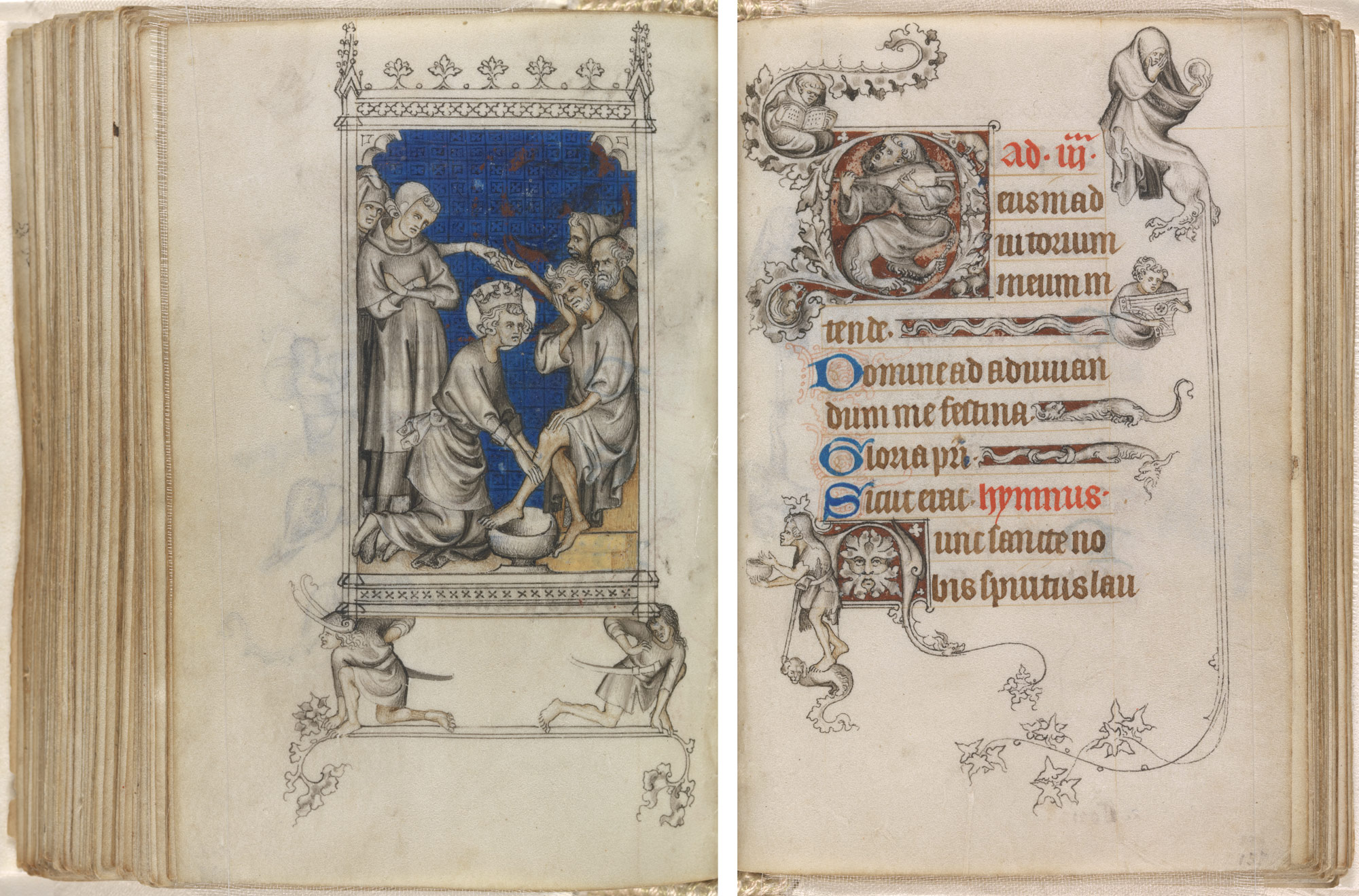
That dreaminess and promise of a golden other world is exactly what the artistic manuscripts below are attempting to capture and convince, with their glitter and shine. 

They used costly gold and silver, as well as grinding semi-precious stones into a powder as richly colored pigment, and using the gleaming stone pieces for textured inlays on the covers.  There were all kinds of textures, including raised wire patterning and metal relief sculpture.  Beautiful!  The inner pages of the book were parchment.  Until this study, I was unaware that parchment used to be something much different than the waxy paper that I bake with, or a fancy, brownish paper scroll for writing upon.  They actually used animal skin for these books.  It is very bothersome to me to think that it took velum (a thin, transparent skin from an unborn calf) to make the print transfers for the pages, as well as the skin from a herd of 1600 calves (yes, one thousand, six hundred baby animals- you read that right) for a monastery to create the parchments for just three manuscripts.  I can imagine though, that these books are strikingly gorgeous to touch, smell and hold, with an impressive weight and feel to them.  They must hold a true sense of the sacred both by their materials, the hand labor that went into them and the history that they tell.  The work that went into hand painting the illuminated (brightly colored and decorated) wording and illustration on these pages took such dedication.  The monks created these books as  work that was required of them to earn their salvation and redemption, and to show commitment to God and the church.